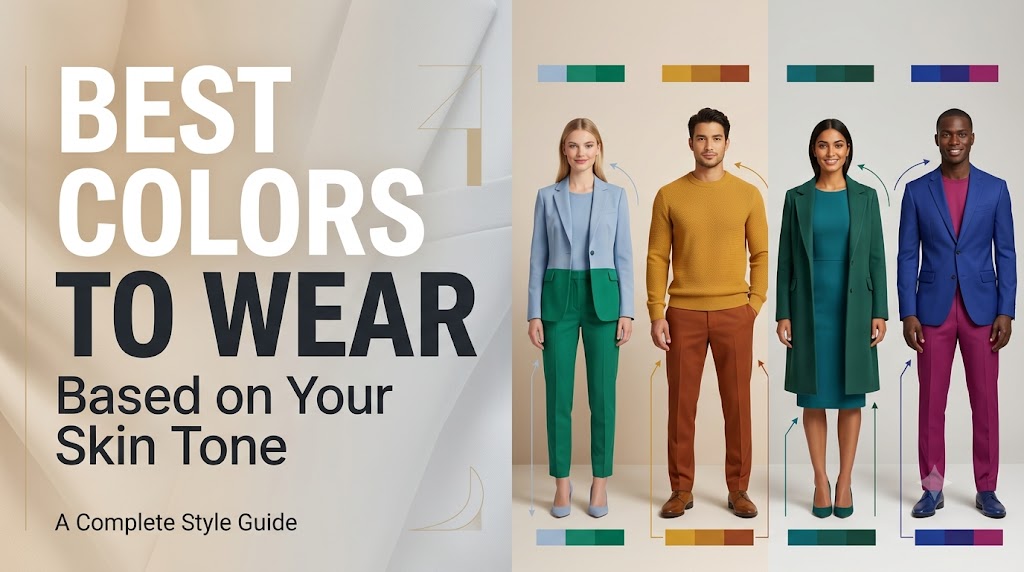
Have you ever tried on a piece of clothing that instantly made you look more vibrant, while another in a different color left you looking tired or washed out? The difference often isn’t the style or the fabric—it’s the color. Choosing shades that complement your skin tone can enhance your natural features, brighten your complexion, and help you feel more confident in what you wear.
Many people assume that selecting flattering colors is based solely on whether their skin is fair, medium, or deep. In reality, your skin undertone plays a much bigger role. Understanding whether you have a warm, cool, or neutral undertone can make shopping easier, simplify outfit planning, and help you build a wardrobe filled with colors that truly suit you.
In this guide, you’ll learn how to identify your skin undertone, discover the best colors to wear based on your skin tone, and get practical styling tips to make the most of your wardrobe. Whether you’re updating your everyday essentials or choosing an outfit for a special occasion, the right color choices can elevate your personal style and leave a lasting impression.
Why Skin Tone Matters When Choosing Clothing Colors
The colors you wear do more than reflect your personal style—they influence how your natural features are perceived. A well-chosen color can brighten your complexion, make your eyes appear more vibrant, and create a balanced, polished look. On the other hand, colors that clash with your skin’s undertone may make your face appear dull, tired, or less defined, even when you’re feeling your best.
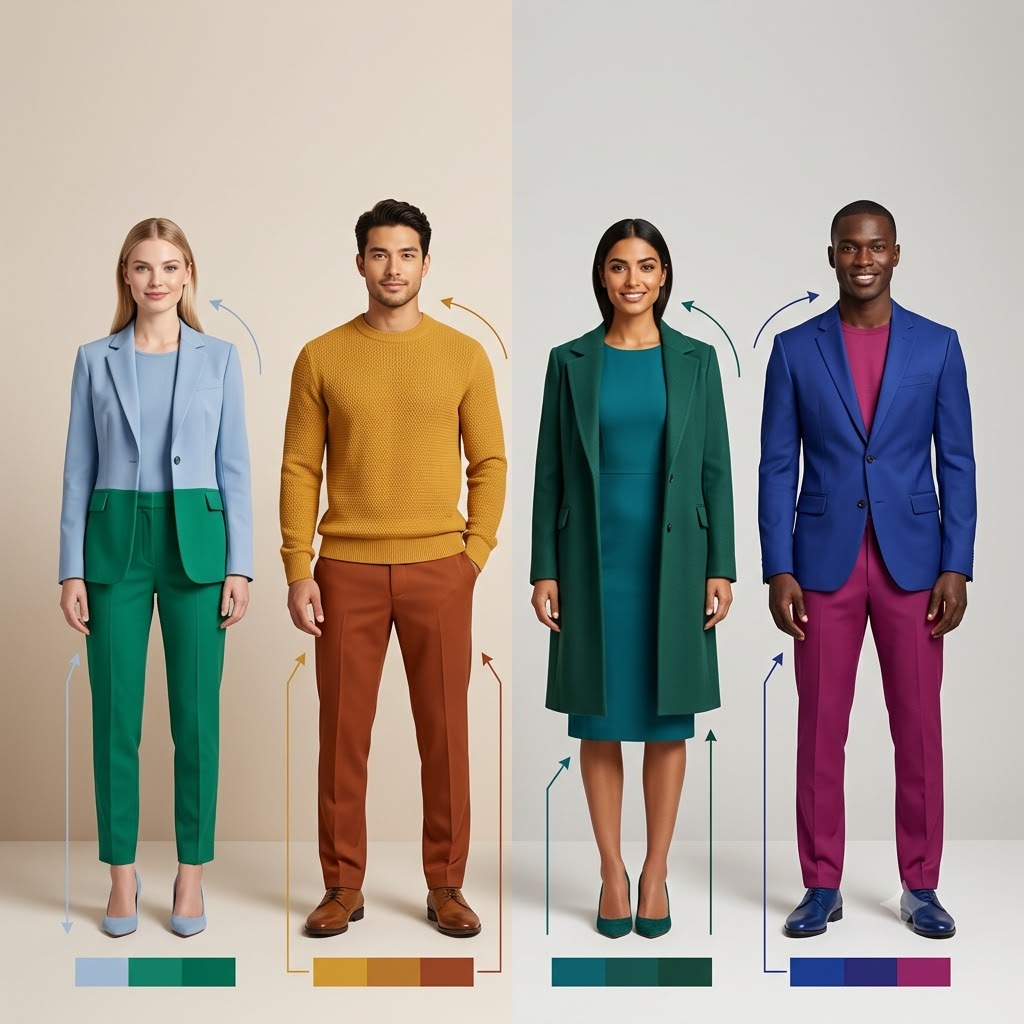
It’s important to understand that skin tone and skin undertone are not the same. Skin tone refers to the surface color of your skin, which can range from fair to deep and may change with sun exposure. Your undertone, however, is the subtle hue beneath the surface of your skin that remains consistent over time. This underlying tone is the key to determining which clothing colors will complement your appearance.
When your outfit colors harmonize with your undertone, they create a naturally flattering effect. Warm undertones often pair beautifully with earthy and golden shades, while cool undertones are enhanced by jewel tones and cooler hues. Those with neutral undertones enjoy greater flexibility and can wear a wider range of colors with ease.
Choosing colors that suit your skin tone isn’t about following strict fashion rules or limiting your wardrobe. Instead, it’s about understanding which shades enhance your natural complexion so you can make more confident style choices. Once you know what works for you, shopping becomes easier, outfit coordination feels more effortless, and your wardrobe becomes more versatile.
Best Colors for Cool Skin Tones
People with cool skin undertones generally look their best in colors with blue, purple, or cool red bases. These shades enhance the natural pink or bluish hues in the skin, creating a fresh, balanced, and vibrant appearance. Jewel tones, crisp neutrals, and cool pastels are especially flattering and can make your complexion appear brighter.
Here are some of the best colors for cool skin tones:
- Sapphire Blue: A rich blue that adds depth and elegance.
- Emerald Green: A vibrant jewel tone that complements cool undertones beautifully.
- Lavender: A soft, calming shade that works well for both casual and formal outfits.
- Plum: A sophisticated purple that adds richness without overpowering the complexion.
- Navy Blue: A timeless alternative to black that’s suitable for almost any occasion.
- Pure White: Creates a crisp contrast that makes cool undertones stand out.
- Charcoal Gray: A refined neutral that pairs easily with a variety of colors.
- Cool Pink: Shades like rose or blush add freshness and softness.
- Burgundy: A deep, cool-toned red that offers elegance and versatility.
- Silver: Whether in accessories or clothing details, silver enhances cool undertones naturally.
Styling Tips for Cool Undertones
Cool-toned wardrobes often benefit from combining jewel tones with neutral shades like white, charcoal, or navy. For example, an emerald green blouse with charcoal trousers or a navy blazer over a crisp white shirt creates a polished and sophisticated look.
Soft pastel colors such as lavender, icy blue, and blush pink are excellent choices for spring and summer, while richer shades like burgundy, plum, and sapphire blue are ideal for autumn and winter. Silver accessories can further enhance the cool tones in your outfit and create a cohesive appearance.
Colors to Wear with Caution
Some warm, yellow-based colors may not complement cool undertones as effectively, particularly when worn close to the face. These include:
- Mustard yellow
- Bright orange
- Camel
- Golden brown
- Lime green
This doesn’t mean you need to eliminate these colors from your wardrobe. Instead, wear them as trousers, skirts, shoes, or handbags, or balance them with cool-toned pieces. For instance, a mustard jacket can work well when paired with a navy top or charcoal pants.
Ultimately, the best wardrobe is one that reflects both your natural coloring and your personal style. By choosing colors that complement your cool undertone, you can create outfits that look polished, flattering, and effortlessly stylish.
Styling Tips for Every Skin Tone
Knowing your skin undertone is a great starting point, but creating stylish outfits involves more than simply choosing the right colors. The way you combine shades, select accessories, and consider other features like your hair and eye color can make a significant difference in your overall appearance. These practical styling tips can help anyone build a wardrobe that looks balanced, flattering, and versatile.
Balance Bold Colors with Neutrals
Bright or vibrant colors can make a strong fashion statement, but pairing them with neutral shades creates a more polished look. For example, a coral blouse with beige trousers or a sapphire blue blazer with gray pants allows the statement color to stand out without overwhelming the outfit.
Use Accessories to Add Color
If you’re hesitant to wear bold colors as your main clothing pieces, introduce them through accessories. Scarves, handbags, shoes, belts, ties, or jewelry are simple ways to experiment with different shades while keeping your outfit balanced. This approach is also ideal for trying seasonal color trends without completely updating your wardrobe.
Consider Your Hair and Eye Color
While skin undertone plays a major role in choosing flattering colors, your hair and eye color also contribute to your overall appearance. For example, people with dark hair often look striking in rich jewel tones, while those with lighter hair may prefer softer shades. Choosing colors that complement all your natural features creates a more cohesive style.
Dress for the Season
Certain colors naturally suit different times of the year. Earthy shades like rust, olive, and camel are popular during autumn, while pastel tones, light blues, and soft pinks work beautifully in spring and summer. Adjusting your color palette with the seasons keeps your wardrobe fresh and versatile.
Check Colors in Natural Light
Store lighting can alter the appearance of clothing colors, making them look different than they do outdoors. Whenever possible, view garments in natural daylight before making a purchase. This simple step helps you see how the color interacts with your skin tone more accurately.
Wear What Makes You Feel Confident
Fashion guidelines are meant to inspire rather than limit your choices. If a particular color makes you feel confident and comfortable, there’s no reason to avoid it. Personal style is about expressing yourself, and confidence often has a greater impact than following every color rule perfectly.
By combining these styling techniques with an understanding of your skin undertone, you can create outfits that enhance your natural features while reflecting your unique personality. The result is a wardrobe that’s not only flattering but also practical, versatile, and enjoyable to wear.
Common Mistakes When Choosing Clothing Colors
Even after identifying your skin undertone, it’s easy to make color choices that don’t fully complement your natural features. Avoiding a few common mistakes can help you build a wardrobe that’s more cohesive, versatile, and flattering.
Choosing Colors Based Only on Skin Tone
One of the biggest misconceptions is that your surface skin tone alone determines which colors suit you. Two people with similar complexions can have completely different undertones, meaning the same outfit may look stunning on one person but less flattering on the other. Always consider your undertone when selecting clothing colors.
Following Every Fashion Trend
Fashion trends come and go, but not every trending color will suit everyone. A color that’s popular this season may not complement your complexion. Instead of buying every trend, choose fashionable shades that also work well with your natural coloring.
Wearing Only Black
Black is a timeless wardrobe staple, but relying on it for every outfit can sometimes make your appearance look flat or harsh, especially if it doesn’t complement your undertone. Try incorporating colors like navy, charcoal, olive, burgundy, or cream to add variety and create a more balanced wardrobe.
Ignoring the Importance of Contrast
Wearing colors that are too similar to your complexion can make your overall look appear dull. Creating gentle contrast between your clothing and your skin tone helps define your features and adds visual interest. For example, if you have a lighter complexion, medium or deeper shades often provide a flattering balance.
Forgetting About Makeup and Accessories
Your clothing isn’t the only factor that affects how colors look on you. Makeup, jewelry, scarves, and even your hairstyle can influence the overall harmony of an outfit. Coordinating these elements with your clothing creates a more polished and cohesive appearance.
Buying Clothes Without Trying Them On
A color may look beautiful on a hanger or in an online photo but appear completely different when worn. Whenever possible, try clothing on in natural light or review items under different lighting conditions before making a purchase. This helps ensure the color complements your complexion as expected.
Final Thoughts
Choosing the best colors to wear based on your skin tone doesn’t mean limiting your wardrobe or following strict fashion rules. Instead, it’s about understanding which shades naturally enhance your complexion and make you feel your best. Once you identify whether you have a warm, cool, or neutral undertone, selecting flattering outfits becomes much simpler.
Remember that fashion is a form of self-expression, and these color guidelines are meant to help—not restrict—your personal style. Don’t be afraid to experiment with different shades, mix classic neutrals with statement colors, and discover combinations that reflect your personality.
The most flattering outfit is one that not only complements your skin tone but also makes you feel comfortable and confident. By using the tips in this guide, you can build a wardrobe filled with colors that highlight your natural features, simplify your shopping decisions, and help you look your best on every occasion.
Frequently Asked Questions (FAQs)
1. What is the difference between skin tone and skin undertone?
Skin tone is the visible color of your skin, such as fair, medium, olive, tan, or deep. It can change due to sun exposure or seasonal factors. Skin undertone, however, is the subtle hue beneath the surface of your skin—warm, cool, or neutral—and it remains the same throughout your life. Your undertone plays the biggest role in determining which clothing colors complement you best.
2. How can I find my skin undertone at home?
You can identify your skin undertone using a few simple methods:
- Check the color of the veins on your wrist.
- Compare how gold and silver jewelry look on your skin.
- Hold a pure white and an off-white fabric near your face.
- Observe how your skin reacts to sun exposure.
For the most accurate result, combine several of these tests instead of relying on just one.
3. Can people with neutral undertones wear both warm and cool colors?
Yes. Neutral undertones are the most versatile and generally suit both warm and cool color palettes. Shades like teal, navy, beige, soft gray, dusty rose, and jade often work particularly well. Both gold and silver accessories also tend to complement neutral undertones.
4. Which clothing colors look good on every skin tone?
While there is no single color that flatters everyone equally, some shades are universally versatile. Navy blue, teal, emerald green, soft white, charcoal gray, and burgundy tend to complement a wide range of skin tones and undertones. The exact shade may vary depending on your complexion.
5. Should I avoid colors that don’t match my undertone?
Not at all. Color guidelines are meant to help you make informed choices, not limit your style. If you enjoy wearing a particular color, you can balance it with flattering accessories, layer it with complementary shades, or wear it farther from your face, such as in trousers, skirts, or shoes.
6. Does hair color affect which clothing colors look best?
Yes. Although your skin undertone is the most important factor, your hair and eye color also influence how different shades appear on you. Choosing colors that complement all of your natural features creates a more balanced and polished look.
7. Can my skin undertone change over time?
No. Unlike your skin tone, which may become lighter or darker due to sun exposure, aging, or seasonal changes, your skin undertone generally remains the same throughout your life.
8. Why do some colors make me look tired?
Colors that clash with your skin undertone can emphasize shadows, uneven skin tone, or dullness, making you appear more tired than you actually are. Wearing shades that harmonize with your undertone helps brighten your complexion and gives you a fresher, healthier appearance.