
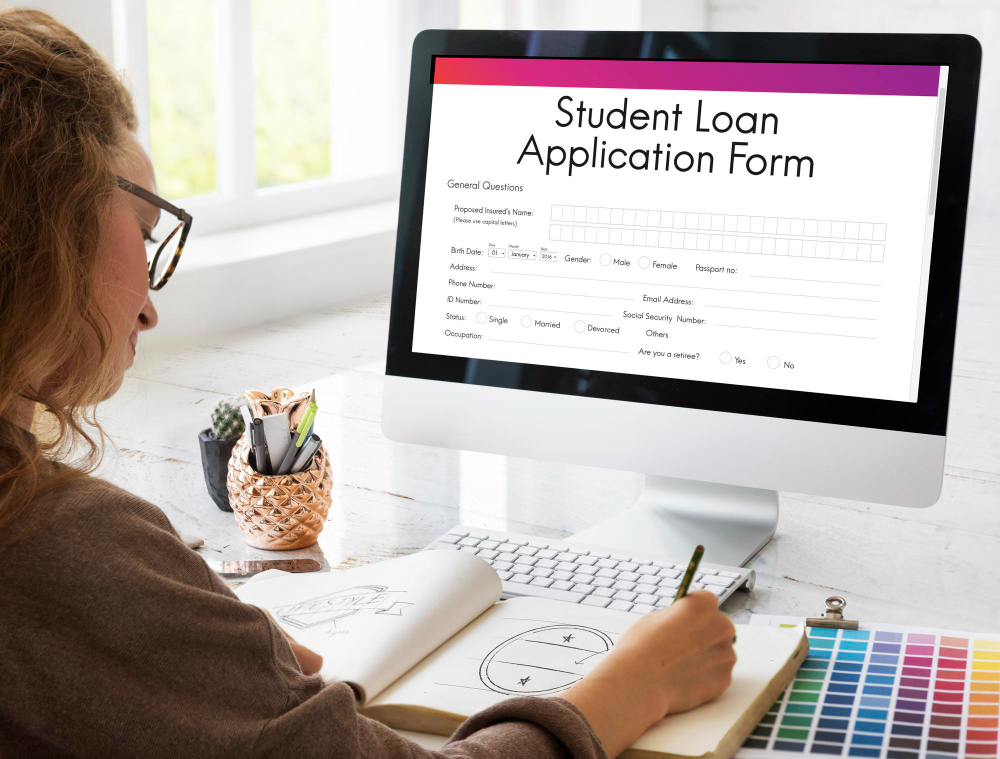
Student loan forgiveness is a form of financial relief that helps borrowers reduce or completely remove their student loan debt. With the rising cost of education, many students and graduates struggle to manage monthly loan payments. Loan forgiveness programs are designed to support people who meet specific conditions, such as working in public service, teaching, or making payments under income-based repayment plans. These programs are mainly available for federal student loans and can offer long-term relief to eligible borrowers.
Understanding how student loan forgiveness works is important before applying. Each program has its own rules, eligibility requirements, and timelines. Some plans forgive loans after a fixed number of years, while others depend on income level or job type. Many borrowers miss benefits simply because they are not aware of the right program or fail to follow the correct steps. Knowing the basics can help you avoid mistakes and make better financial decisions.
In this guide, you will learn what student loan forgiveness means, who qualifies, and how the process works. We will explain the major forgiveness programs in clear and simple terms. This article is written to help you make informed choices and protect yourself from common errors and scams. Whether you are a student, a graduate, or a working professional, this information can help you plan a more secure financial future.
What Is Student Loan Forgiveness?
Student loan forgiveness means that some or all of your student loan balance is removed, and you are no longer required to repay it. This benefit is usually available through federal student loan programs and is offered to borrowers who meet specific eligibility rules. The goal of loan forgiveness is to reduce the long-term financial burden of student debt and help borrowers achieve financial stability.
In most cases, student loan forgiveness applies only to federal student loans, such as Direct Loans. Private student loans are not covered under government forgiveness programs. Borrowers may qualify for forgiveness by working in public service jobs, teaching in low-income schools, or making payments under income-driven repayment plans for a set number of years. Each program has different conditions, so it is important to understand which option fits your situation.
It is also important to understand the difference between loan forgiveness, loan cancellation, and loan discharge. Loan forgiveness usually happens after you meet program requirements, such as completing qualifying payments. Loan cancellation may occur due to changes in law or specific government actions. Loan discharge is often related to special situations, such as school closure, disability, or borrower defense claims. Knowing these terms can help you choose the right path and avoid confusion when applying for student loan debt relief.
Types of Student Loan Forgiveness Programs
There are several student loan forgiveness programs available for borrowers with federal student loans. Each program is designed for a specific group and has its own eligibility rules. Understanding these options can help you choose the right forgiveness path and avoid wasting time on programs you do not qualify for.
Public Service Loan Forgiveness (PSLF) is one of the most popular programs. It is for borrowers who work full-time for government organizations or approved non-profit employers. To qualify, you must make 120 qualifying monthly payments under an income-driven repayment plan. After completing these payments, the remaining loan balance may be forgiven.
Income-Driven Repayment (IDR) Forgiveness is available to borrowers whose monthly payments are based on their income and family size. Under plans such as SAVE, PAYE, or IBR, borrowers can receive loan forgiveness after making payments for 20 or 25 years, depending on the plan. This option is helpful for people with lower or unstable income.
Teacher Loan Forgiveness is designed for teachers who work in low-income schools or educational service agencies. Eligible teachers may receive partial forgiveness after completing five consecutive years of service. The forgiveness amount depends on the subject taught and other eligibility factors.
There are also profession-based forgiveness programs for healthcare workers, military members, and other public service professionals. These programs often focus on working in underserved areas. All these options require federal student loans, proper documentation, and timely payments. Choosing the right program depends on your job, income, and long-term financial goals.
How Public Service Loan Forgiveness (PSLF) Works
Public Service Loan Forgiveness is a federal program created to support borrowers who work in public service careers. It applies to people employed full-time by government agencies or eligible non-profit organizations. This program can forgive the remaining balance on your federal Direct Loans after you meet all requirements.
To qualify for PSLF, you must make 120 qualifying monthly payments. These payments must be made under an income-driven repayment plan while you are working for a qualifying employer. Payments do not need to be consecutive, but they must be made on time and for the full amount due. Only Direct Loans are eligible, so borrowers with other federal loan types may need to consolidate first.
One important step in the PSLF process is employment certification. Borrowers should regularly submit employment certification forms to confirm that their job qualifies. This helps track your progress and prevents issues later. Many applications are denied due to missing paperwork or incorrect loan types. Staying organized and checking your loan status can increase your chances of successfully receiving loan forgiveness through PSLF.
Also Read: SBA Loan Calculator: Estimate Monthly Payments & Total Loan Cost
Income-Driven Repayment (IDR) Loan Forgiveness
Income-Driven Repayment loan forgiveness is designed for borrowers whose student loan payments are based on their income. Under IDR plans, your monthly payment is calculated using your earnings and family size. This makes repayment more manageable, especially for borrowers with limited or unstable income.
There are several IDR plans, including SAVE, PAYE, IBR, and ICR. Each plan has its own rules, but all of them offer loan forgiveness after a long repayment period. Most borrowers can receive forgiveness after making qualifying payments for 20 or 25 years. Any remaining loan balance at the end of this period may be forgiven, depending on the plan.
To stay eligible, borrowers must recertify their income and family size every year. Missing this step can increase monthly payments or remove you from the plan. IDR forgiveness is mainly available for federal student loans and does not apply to private loans. Choosing the right IDR plan can reduce financial stress and provide a clear path toward long-term student debt relief.
Student Loan Forgiveness Eligibility Requirements
Not everyone qualifies for student loan forgiveness, so it is important to understand the basic eligibility requirements. Most forgiveness programs are only available for federal student loans, especially Direct Loans. Borrowers with private student loans are usually not eligible for government forgiveness programs.
Your loan repayment history also plays a key role. Only qualifying payments count toward forgiveness. These payments must be made on time, for the full amount due, and under an approved repayment plan. Payments made during deferment or forbearance may not always count, depending on the program and current rules.
Employment and income are also important factors. Programs like Public Service Loan Forgiveness require full-time work with a qualifying employer. Income-driven repayment forgiveness depends on your income level and family size. Some borrowers may need to consolidate their loans to meet eligibility rules. Reviewing your loan type, repayment plan, and employment status can help you confirm whether you qualify for student loan forgiveness.
How to Apply for Student Loan Forgiveness
Applying for student loan forgiveness requires careful planning and accurate information. The first step is to review your federal student loan details through the official Federal Student Aid website. This helps you confirm your loan type, loan servicer, and current repayment plan. Knowing this information is important before choosing a forgiveness program.
Next, select the forgiveness program that matches your situation. If you work in public service, you may apply for Public Service Loan Forgiveness by submitting employment certification forms. For income-driven repayment forgiveness, you must enroll in an approved IDR plan and submit income details. All applications should be completed through official government platforms to avoid errors or delays.
After applying, it is important to track your progress. Keep copies of all forms and confirm that your payments are counted correctly. Many forgiveness applications are delayed due to missing documents or incorrect information. Staying organized and submitting updates on time can improve your chances of successfully receiving student loan forgiveness.
Student Loan Forgiveness Scams and How to Avoid Them
As interest in student loan forgiveness grows, scams have also become more common. Many companies target borrowers by promising fast or guaranteed loan forgiveness. These claims are often false. In most cases, student loan forgiveness programs are free and managed by the government. No private company can speed up the process or guarantee approval.
A common warning sign is a request for upfront fees. Legitimate forgiveness programs do not charge application fees. Scammers may also contact you by phone, email, or text and claim they are from the Department of Education. Official agencies usually communicate through secure government websites, not aggressive sales calls.
To protect yourself, only use official government sources and your loan servicer for information and applications. Never share your Federal Student Aid login details with anyone. If an offer sounds too good to be true, it probably is. Staying informed and cautious can help you avoid financial loss and protect your personal information while pursuing student loan forgiveness.
Common Misconceptions About Student Loan Forgiveness
Many borrowers have misunderstandings about student loan forgiveness. One common myth is that all loans are automatically forgiven after a certain number of years. In reality, forgiveness only occurs if you meet the specific requirements of a program, such as qualifying payments, job type, or income-driven repayment.
Another misconception is that private student loans are eligible for federal forgiveness programs. Most forgiveness programs only apply to federal loans, and private lenders do not participate in these programs. Borrowers with private loans must explore alternative options, such as refinancing or negotiating repayment terms directly with the lender.
Some people also believe that paying a company for help guarantees forgiveness. This is false. Government-run programs are free, and no legitimate service can promise faster approval or guaranteed forgiveness. Understanding these facts can help borrowers avoid mistakes, plan properly, and make informed decisions about managing their student debt.
Conclusion
Student loan forgiveness can provide significant relief for borrowers struggling with debt. Federal programs like Public Service Loan Forgiveness, Income-Driven Repayment forgiveness, and Teacher Loan Forgiveness are designed to help eligible borrowers reduce or eliminate their student loans. Understanding each program’s rules, eligibility requirements, and application process is essential to take full advantage of these opportunities.
It is also important to stay informed and avoid scams. Only use official government sources and your loan servicer when applying for forgiveness. Keep accurate records of payments, employment certification, and income documentation to ensure a smooth process.
By learning about the available programs and carefully following the steps, borrowers can successfully manage their student loan debt and move toward financial freedom. Student loan forgiveness is not automatic, but with the right knowledge and planning, it is achievable for many borrowers.
Quick Reference: Resources and Glossary
Official Resources
- Federal Student Aid (studentaid.gov): The main source for all federal student loan information, applications, and repayment plans.
- PSLF Help Tool: Helps you track qualifying payments and employment for Public Service Loan Forgiveness.
- Income-Driven Repayment Plan Applications: Available through the Federal Student Aid website for IDR forgiveness.
- U.S. Department of Education: Updates on new forgiveness rules, announcements, and program changes.
Glossary of Key Terms
- Forgiveness: The cancellation of your remaining student loan balance after meeting program requirements.
- Cancellation: The removal of your loan due to special circumstances, such as school closure or borrower defense claims.
- Discharge: Loan forgiveness based on specific situations like permanent disability or death.
- Qualifying Payments: Payments that count toward forgiveness, usually under an approved repayment plan.
- Income-Driven Repayment (IDR) Plans: Repayment plans where monthly payments are based on your income and family size.
- Direct Loans: Federal student loans eligible for most forgiveness programs.
This quick reference can help borrowers navigate the forgiveness process and stay organized while managing student loan debt. It also ensures you are using official resources and avoiding scams.
